
Best Time To Visit Svalbard

When is the best time to visit Svalbard?
The best time to visit Svalbard depends on what you would like to see while you are there.
Travel in Svalbard is divided into three main seasons: the polar summer (mid-May–September), which is ideal for an Expedition Micro Cruise; northern lights (October–February), and then the sunny winter (March–mid-May).
The different seasons offer distinct opportunities for wildlife watching, northern lights viewing, and winter activities including dog sledding.
Svalbard offers something different each month, from frozen landscapes at the beginning of the season to 24-hour daylight in the summer and beautiful sunsets in the autumn. So the best time to visit Svalbard depends on what you would like to see and experience.
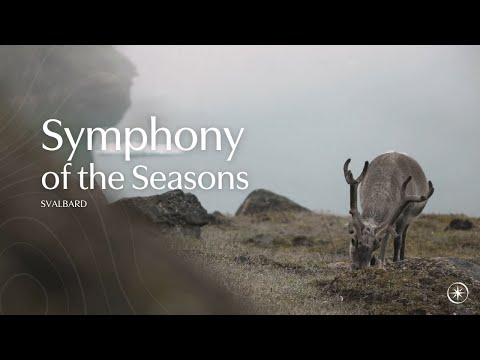
When are the best months to visit Svalbard?

Between May–September is the best time to see polar bears in Svalbard. They also offer great opportunities for wider wildlife viewing.
From mid-May, the sea ice surrounding Svalbard opens up and the areas around the coast become navigable. If you would like to experience the wildlife of Svalbard first-hand in a small group, please take a look at our Expedition Micro Cruises with just 12 guests.

Svalbard Spring Micro Cruise
78°22’N, 15°65’E
A frozen fairytale of iceberg-strewn fjords, snowy peaks, and puzzle-piece sea ice – as animals take their first steps following winter.
- 12 guests
- 8 — 10 days

Svalbard Spring Photo Tour
78°13’N, 15°38’E
Landscape photographers adore Svalbard in the early season, when puzzle-piece sea ice and snow-enrobed shorelines glow under pastel sunrises and sunsets.
- 12 guests
- 8 — 10 days

Svalbard Summer Micro Cruise
78°22’N, 15°65’E
Set sail in summer, when Svalbard blooms with life, the best time to spot wildlife in Europe’s last great wilderness.
- 12 guests
- 10 days

Svalbard Summer Photo Tour
78°22’N, 15°65’E
Venture north to photograph Svalbard as summer sweeps across the archipelago and the Arctic bursts into life.
- guests
- 10 days

Svalbard Autumn Photo Tour
78°22’N, 15°65’E
Wildlife and landscape photographers rush to catch Svalbard at this unique part of the year, when languorous sunrises and sunsets paint the scenery in autumnal colours and far-flung destinations like Austfonna are still within reach.
- 12 guests
- 8 — 12 days
Early in the season between mid-March and mid-May is the best time to encounter Svalbard’s ice and frozen landscapes.
All the months we operate our expedition cruises offer extraordinary experiences. Below you will find an overview of each month and what to expect.
Each of our trips is an expedition into nature. On all our previous expeditions we have been very fortunate, though we can never guarantee any particular sightings. Early in the season, when wildlife is less abundant, the shores of Svalbard are still snow-covered and it is a chance to see the landscapes at their most beautiful.
When is the best time to see the midnight sun in Svalbard?
The best time to visit Svalbard for the midnight sun is between 20th April and 22nd August when the sun does not set. The majority of our expeditions take place during these months, when you will experience 24 hours of daylight.

Svalbard Circumnavigation Micro Cruise
78°22’N, 15°65’E
The big one. As the sea opens up under the midnight sun, take the unique opportunity to circumnavigate Svalbard, Europe’s last great wilderness.
- 12 guests
- 12 days
Svalbard Summer Micro Cruise
78°22’N, 15°65’E
Set sail in summer, when Svalbard blooms with life, the best time to spot wildlife in Europe’s last great wilderness.
- 12 guests
- 10 days

Svalbard Summer Solstice Micro Cruise
78°22’N, 15°65’E
Our longest photo tour sails when the midnight sun is at its zenith, providing 24-hour photo opportunities in the company of your pro photographer guide.
- 12 guests
- 10 — 12 days
When is the best time to see the northern lights in Svalbard?
The best time to visit Svalbard for northern lights viewing is between October and February, when there is 24 hours of darkness.
The best time to visit Svalbard for winter activities, including snowmobiling, dog sledding, and skiing is during the sunny winter between March and mid-May.
If you would like to combine dog sledding with one of our Expedition Micro Cruises, we would recommend a trip in late April or early May.
Design your own private expedition micro cruise with Secret Atlas
Share the journey with those who matter most.
Svalbard month by month guide
Mid-March–April in Svalbard


As Svalbard emerges from the depths of winter, the shores are still frozen; this is a great time for adventurous photographers looking to capture the spirit of the Arctic in cold temperatures and stunning winter light.
Ideal for landscape photographers looking to capture the true Arctic
Expect frozen seascapes bathed in gorgeous winter light
Long sunrises and sunsets create perfect photo opportunities
Expeditions follow a shorter route due to the amount of sea ice
Polar bears are less frequently sighted due to the amount of ice
April is a great month for photography and a chance to capture Svalbard as it emerges out of the depths of winter, with frozen landscapes, sea ice, and glaciers. Polar bears can be seen hunting on the sea ice. Shore landings are harder due to the ice and more time is spent exploring by Zodiac.
Temperatures are at their lowest, with an average of -9°c, so wrap up warm. During April, parts of Svalbard are still blocked by sea ice and our passage will follow a shorter route.
May in Svalbard


As spring gets underway in Svalbard, a visit in May offers the best of both worlds, with snow still covering many of the landscapes, 24 hours of daylight, and the best chances of clear skies.
Wildlife returns to the sea ice and polar bears and their cubs can be observed on the ice
The midnight sun has commenced, with 24 hours of daylight until mid-August
A good month to encounter sea ice and snowy landscapes, ideal for landscape and wildlife photographers
Shore landings can be restricted by the amount of ice on the beaches and we spend more time exploring by Zodiac
By May the temperature increases, with an average high of -3°c, so you will need to wrap up warm. The cool temperatures often create clear skies and there is less chance of cloud and fog than in the warmer months. May also has the lowest levels of rainfall, with only 13mm.
Towards the end of May, the sea ice towards the north of Spitsbergen opens up, making longer trips possible. May is a great month for wildlife photography, as polar bears can be spotted on the sea ice and it is possible to encounter walruses hauling out on remote beaches.
Hiking ashore will often require wearing snowshoes which we will provide on all our early season voyages. Spectacular snow-covered landscapes are the reward for braving the lower temperatures.
Svalbard Spring Micro Cruise
78°22’N, 15°65’E
A frozen fairytale of iceberg-strewn fjords, snowy peaks, and puzzle-piece sea ice – as animals take their first steps following winter.
- 12 guests
- 8 — 10 days

Svalbard Spring Micro Cruise Lite
78°22’N, 15°65’E
Our compact early-season adventure packs in all the highlights of Svalbard in just a short space of time – with no fear of missing out.
- 12 guests
- — days

Svalbard Spring Photo Tour Lite
78°22’N, 15°65’E
A compact adventure for landscape photographers, our shortened early-season tour gets you shooting the best of springtime Svalbard in fewer days.
- 12 guests
- 8 days
Svalbard Spring Photo Tour
78°13’N, 15°38’E
Landscape photographers adore Svalbard in the early season, when puzzle-piece sea ice and snow-enrobed shorelines glow under pastel sunrises and sunsets.
- 12 guests
- 8 — 10 days
June in Svalbard


As summer starts in Svalbard, June offers a great chance to encounter wildlife, including three million migratory birds that flock here during the summer months.
As the sea ice recedes it is possible to reach the north coast of Spitsbergen and longer length expeditions become possible
As the snow on the beaches reduces it becomes possible to do more shore landings and longer hikes
Wildlife returns, including over three million migratory birds
Polar bears and walruses are frequently sighted on Svalbard’s shores
As the sea ice retreats north and the snow on the landscape melts, Svalbard becomes a haven for wildlife during the summer months. Hiking ashore, it is possible to encounter Arctic foxes and Svalbard reindeer. Plankton blooms lure whales to the water and provide nourishment for a variety of birds and seals.
Shore landings become easier and it is possible to cover longer distances when hiking shore. It is possible to navigate further north into the areas where polar bears roam and the sea ice to the north is usually still within a reachable distance.
Svalbard Summer Micro Cruise
78°22’N, 15°65’E
Set sail in summer, when Svalbard blooms with life, the best time to spot wildlife in Europe’s last great wilderness.
- 12 guests
- 10 days

Svalbard Summer Micro Cruise Lite
78°22’N, 15°65’E
Witness Svalbard alive with wildlife on this specially curated Expedition Micro Cruise, exploring the archipelago's summer highlights in a shorter time.
- 12 guests
- — days
Svalbard Summer Solstice Micro Cruise
78°22’N, 15°65’E
Our longest photo tour sails when the midnight sun is at its zenith, providing 24-hour photo opportunities in the company of your pro photographer guide.
- 12 guests
- 10 — 12 days
Svalbard Summer Photo Tour
78°22’N, 15°65’E
Venture north to photograph Svalbard as summer sweeps across the archipelago and the Arctic bursts into life.
- guests
- 10 days
July and August in Svalbard


During the peak summer months, temperatures are usually consistently above freezing. It is a perfect time to do longer expedition cruises as the sea ice around Svalbard opens up and circumnavigation of Spitsbergen becomes possible.
The best months for bird watching, with a good chance of reaching Alkefjellet, a major bird cliff that is home to around 60,000 pairs of breeding Brünnich’s guillemots
Less sea ice makes it possible to reach the most remote regions of Svalbard
Less snow and ice make it suitable for longer hikes and exploration ashore
Good wildlife opportunities including polar bears, walruses, Arctic foxes, and Svalbard reindeer.
During the long 24-hour summer days, we explore the furthest reaches of Svalbard. Although the sea ice varies from season to season, July and August offer the best chances to circumnavigate Spitsbergen, the largest of Svalbard’s islands. It gives us the chance to explore rarely visited places.
The summer months offer the best opportunities for hiking ashore, as the landscape is clear of snow and more places are accessible. Exploring during the summer months is warmer than most people imagine, and on a day when the sun is out, it is quite possible to be hiking in just a base layer.
The sea ice can be further away during the summer months, so if you want the best chances of visiting the sea ice an earlier trip is recommended.
If you are interested in bird watching, most migratory birds depart Svalbard in the middle of August, so a cruise before this time is recommended.
Svalbard Circumnavigation Micro Cruise
78°22’N, 15°65’E
The big one. As the sea opens up under the midnight sun, take the unique opportunity to circumnavigate Svalbard, Europe’s last great wilderness.
- 12 guests
- 12 days
Svalbard Autumn Photo Tour
78°22’N, 15°65’E
Wildlife and landscape photographers rush to catch Svalbard at this unique part of the year, when languorous sunrises and sunsets paint the scenery in autumnal colours and far-flung destinations like Austfonna are still within reach.
- 12 guests
- 8 — 12 days
Svalbard Summer Micro Cruise
78°22’N, 15°65’E
Set sail in summer, when Svalbard blooms with life, the best time to spot wildlife in Europe’s last great wilderness.
- 12 guests
- 10 days
September–mid-October in Svalbard


As the 24-hour sunlight comes to an end and winter beckons, beautiful autumnal light returns to Svalbard, making September and October great months for landscape photography. The spectacular Austfonna ice cap, known for its ice wall and waterfalls, is a star attraction on photo expeditions at this time of year.
Long sunrises and sunsets offer dramatic light for landscape photographers
Polar bears and walruses are still frequently sighted, but most birds have migrated south
The snow returns to Svalbard, offering great photography opportunities
Longer length photography expeditions offer a chance to visit the waterfalls of the Austfonna ice cap.
The sea ice is at a minimum during September, so reaching far off places becomes easier. Temperatures begin to drop and September is cooler than the summer months.
November–February in Svalbard

When the sun sets for the final time on 12th November and does not rise again until 30th January, Svalbard is plunged into the dark season.
As temperatures plummet and the snow returns, these months offer the best chance to see the northern lights. Visitors also get to experience 24 hours of total darkness per day.
February–mid-March in Svalbard


These months offer the best opportunities for winter activities, as the sun returns and the ground is frozen and snow-covered. The sunny winter offers an ideal chance to undertake dog sledding, skiing, and snowmobiling.
Design your own private expedition micro cruise with Secret Atlas
Share the journey with those who matter most.
Other relevant articles


Phone
USA
USA+CAN Toll Free
AUS Toll Free
Brochure
We use cookies to provide a better online experience. Please let us know if you agree to them. You can read our Privacy Policy for more information.

Join the Secret Atlas newsletter
Join the Secret Atlas newsletter
Thank you for signing up!
Welcome to Expedition Micro Cruising. Discover the difference.
We will be exclusively sharing with you our best-kept secrets. You'll receive first-hand expert advice and inspiring stories from our team of explorers, plus our latest news and offers.

Plan Your Journey
Speak to an Expedition Specialist
Book a Video Call
Speak face-to-face with an expedition specialist. Ask questions, explore ideas, and start shaping a journey built around you.
Book a Phone Call
Talk with an expedition specialist. Get clear, honest guidance to help you plan your next Expedition Micro Cruise.
Download your brochure
Just enter a few details to receive your brochure.