Svalbard photography expeditions
Cameras at the ready, let’s head north to capture the best of the Arctic on a Svalbard photo tour.
The meltwater waterfalls that stream down the face of the Austfonna ice cap. The cacophony of breeding migratory birds on the cliff face of Alkefjellet. Keep your eyes peeled for polar bears in their natural habitat, stalking the land or afloat on sea ice.
Secret Atlas Svalbard photo expeditions team you up with legendary photographers and put you in the middle of your own nature documentary. Wildlife or landscape, pro or enthusiast, there’s nowhere like Svalbard for nature photography.

“Svalbard is a place that I have been wanting to visit for quite some time. As a wildlife photographer, this destination is something straight out of a dream.”
— Taylor Gray, photographer and filmmaker
Popular Svalbard photography expeditions

Svalbard Spring Photo Tour
78°13’N, 15°38’E
Landscape photographers adore Svalbard in the early season, when puzzle-piece sea ice and snow-enrobed shorelines glow under pastel sunrises and sunsets.
- 12 guests
- 8 — 10 days

Svalbard Spring Photo Tour with Randy Hanna
78°22’N, 15°65’E
Head north with world-renowned photographer and tutor Randy Hanna, capturing the frozen Arctic landscape of Svalbard in the spring.
- 12 guests
- 10 days

Svalbard Spring Photo Tour with Dean Tatooles
78°22’N, 15°65’E
Venture north with acclaimed photographer Dean Tatooles, shooting Svalbard blanketed in snow and puzzle-piece sea ice.
- 12 guests
- 10 days

Svalbard Spring Photo Tour Lite with Piet van den Bemd
78°22’N, 15°65’E
Join pro photographer Piet van den Bemd on a special compact adventure to shoot Svalbard in the springtime.
- 12 guests
- 8 days

Svalbard Summer Photo Tour
78°22’N, 15°65’E
Venture north to photograph Svalbard as summer sweeps across the archipelago and the Arctic bursts into life.
- guests
- 10 days

Svalbard Summer Photo Tour with Paul Goldstein
78°22’N, 15°65’E
Paul Goldstein is a nature-photography heavyweight, a go-hard, all-hours maestro – and the perfect guide to take your wildlife photography up a gear (or 10) in Svalbard.
- 12 guests
- 10 days

Svalbard Summer Photo Tour with Randy Hanna
78°22’N, 15°65’E
Explore summertime Svalbard with nature photographer Randy Hanna, capturing intimate shots of wildlife in their stunning Arctic habitat.
- 12 guests
- 10 days

Svalbard Autumn Photo Tour
78°22’N, 15°65’E
Wildlife and landscape photographers rush to catch Svalbard at this unique part of the year, when languorous sunrises and sunsets paint the scenery in autumnal colours and far-flung destinations like Austfonna are still within reach.
- 12 guests
- 8 — 12 days

Svalbard Autumn Photo Tour with Virgil Reglioni
78°22’N, 15°65’E
Set off on a late-season adventure, when sunsets and sunrises cast spellbinding colours the archipelago, and capture the meltwater waterfalls of the Austfonna ice cap with top polar photographer Virgil Reglioni.
- 12 guests
- 12 days

When’s the best time to visit Svalbard for a photo tour?
Landscape photographers head to Svalbard in the early season (April–May), to capture picture-perfect snow-capped mountains in the soft light of the rising sun, fairytale fjords of cracked-mirror sea ice, and animals against the pure, white backdrop as they emerge after the long winter.
For the ultimate wildlife photography tour, set course for Svalbard in the height of the polar summer (June–September), when the archipelago is at its most accessible and abundant, with whales, migratory birds, walruses, Arctic foxes, polar bears, and more, illuminated by 24-hour daylight.
Why take a photo tour with us?
No queues. Just camera clicks.
Explore with an acclaimed polar photographer as an additional guide
Amateur or pro, you’ll learn a lot from our professional polar photographer, from framing a shot to capturing wildlife on the move and making the most of the lighting and weather conditions. After a day out photographing in the field, join them for evening workshops and lectures.
Intimate group size for a transformative experience
Disconnect from modern life on a small-group expedition with just 12 or 44 guests. Connect with yourself, your intimate group of fellow explorers, and the world around you without the crowds and chaos of larger ships.
Micro expedition ship reaches places bigger vessels can’t
Experience things that simply aren’t possible on so-called “small ship” expeditions.
Expedition leaders and guides with decades of polar experience and hundreds of expeditions between them
Our expedition leaders and guides are polar superstars. Tap into their knowledge and passion, with one guide to every six guests.
No crowds, no queueing
No crowd of guests around a single photo opportunity. From ship to Zodiac in minutes. You didn’t come this far from civilisation to queue.
No fixed itinerary. Go where the journey takes you.
We prefer to embrace spontaneity and make the most of every opportunity nature presents to us. Secret Atlas's fly-cruise options get you there faster so you spend more time seizing those perfect moments – whether it's an unexpected whale breach or ideal lighting for that glacier shot.
Highlights of a Svalbard photography expedition

Creatures great...
Polar bears
The King of the Arctic - the polar bear outnumbers people on Svalbard. We regularly spot them in their natural habitat, stalking the land or hunting on the sea ice, during our Svalbard photo expeditions.
Walruses
Literal giants of the Arctic, walruses can weigh up to 1.5 tons. We know the remote beaches where they haul out in their hundreds.

... and small
Arctic foxes
Cunningly camouflaged Arctic foxes are a treat to spot in the wild. During leaner times, they can be witnessed following hunting polar bears and picking up whatever the apex predator doesn’t eat.
Svalbard reindeer
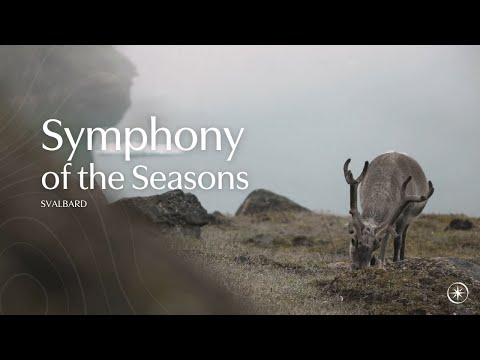
A reindeer subspecies only found in Svalbard, Svalbard reindeer are short and stocky, perfectly adapted to the Arctic climate. They walk around 5,000 km a year, enough to take them comfortably from Svalbard to Tunisia.

Seabirds
Three million migratory birds summer in Svalbard, with bird cliffs like Alkefjellet overrun with puffins, guillemots, terns, kittiwakes, and auks.

Landscapes
In spring, Svalbard is a frozen fairytale of snowy peaks, fjords carpeted with crystalline cracked ice, and elongated, pastel-hued sunrises and sunsets.
The snow recedes and the ice thaws as spring turns into summer and the midnight sun arrives, revealing Svalbard’s raw beauty, its geological treasures telling the story of Earth. More of the archipelago becomes accessible as the sea opens up, and lush vegetation at lower elevations attracts animals out of their wintertime hiding places.
The sun starts to sink once more in autumn, casting gorgeous sunrises and sunsets across the land as winter approaches.

Sea ice
The beautiful, impossible puzzle of sea ice that hugs close to Svalbard during the spring is one of the Arctic’s most arresting sights. Photographing sea ice is a highlight of our Svalbard photography tours, both in the early season when the alpenglow paints it in pinkish hues, and later in the year, far to the north, when animals, including polar bears, roam on the ice edge.
Photography expedition guides
Our photography expedition guides set us apart. Their skill and passion for their craft inspire us and each one of our guests, trip after trip.
Each photography tour guide has their own style, but they are united in their love for the lands we explore.


Places we explore on Svalbard photo tours
Austfonna
One of the largest ice caps in the Arctic, Austfonna offers a mesmerising backdrop for photographers, with its towering ice cliffs, deep blue meltwater channels, and dynamic icefalls.
Prins Karls Forland
A rugged island with dramatic mountain peaks and expansive beaches, Prins Karls Forland is a fantastic location for wildlife and landscape photography. The island is home to one of Svalbard’s largest walrus colonies, offering close-up shots of these massive marine mammals as they rest on the shore.
The ice edge
A place of high drama and incredible photographic opportunities, the ice edge is where the frozen Arctic meets open water. This dynamic environment is a prime location for capturing polar bears hunting, seabirds diving, and the stunning contrast between solid ice and the shifting sea.

Explorer's Handbook
Everything you need to know to help you plan your polar expedition, from destination guides to weather insights and what to pack…


Best Time To Visit Svalbard
Best Time To Visit Svalbard

Svalbard Photography Guide
Svalbard Photography Guide

Arctic Photography Tips from Paul Goldstein
Arctic Photography Tips from Paul Goldstein

A Guide to Arctic Wildlife Watching
A Guide to Arctic Wildlife Watching
Svalbard photography expedition FAQs
Where do your Svalbard photo tours depart from?
All our Svalbard photo tours depart from and return to the town of Longyearbyen. Longyearbyen is easily reached by daily flights from Oslo in Norway, making it one of the easiest destinations to reach in the High Arctic. To find out more about how to get to Longyearbyen, please see our guide below.
Can I join your photo tour as a solo traveller?
Yes, you can. Every year we welcome solo travellers on board, where you will find a warm and welcoming atmosphere.
We offer accommodation options for single cabins or sharing a cabin with travellers of the same gender.
Is a Svalbard photo tour for me?
Our Svalbard photo tours are suitable for the vast majority of people and we aim to make them as accessible as possible. Photography-wise, everyone is welcome, from absolute beginners to pros looking for unique photo opportunities in the High Arctic.
We ask that our guests have a good level of mobility, as it is a requirement that you can safely step down from the vessel into the landing craft and then exit the landing craft onto land. Due to the remote areas we visit and the distance from medical assistance, we advise that you have a reasonable level of fitness and are in good health.
During shore landings, we have two guides, which enables us to split the group if we have some keen hikers and some other guests who want to keep things leisurely.
Can I join your photo tour as a non-photographer?
Yes, we welcome guests that share an interest not only in photography but in learning more about nature and observing wildlife in its natural habitat.
Our Svalbard photo tours are designed for guests that are looking to spend time out in the field taking photos. We welcome all levels of photographer. Whether you’re an experienced professional or completely new to photography, this is a great opportunity to spend time in nature capturing images.
In addition to our photography guide, we also have a highly experienced expedition leader and guide on board, giving you plenty of opportunity to learn about Svalbard.
What wildlife will I see on my Svalbard photo tour?
Svalbard is an untamed Arctic wilderness, and on every Svalbard photo expedition we encounter different wildlife. In our opinion, it’s the best place in the High Arctic to see wildlife, including polar bears.
The chances of encountering wildlife are very high, and on previous Svalbard photo tours, we have seen walruses, Arctic foxes, whales, polar bears, Svalbard reindeer, and a variety of birdlife.
What places will I visit on a photo tour of Svalbard?
A big part of the adventure of a Svalbard photography tour is to spend time exploring the wilderness, meaning every expedition is different.
Our route is decided on the day of boarding and is chosen by the expedition leader and the captain, in line with the prevailing weather and ice conditions. Their aim is to ensure that you see the very best that Svalbard has to offer.
On a typical cruise, you can expect daily shore landings to visit sites of historical and natural interest and to undertake short wilderness hikes.
Svalbard has over 2000 glaciers and we aim to visit at least one calving glacier face, which is an incredible, unforgettable sight. On some cruises, if conditions allow, we will attempt to visit the edge of the sea ice.
We visit known wildlife sites, including beaches where walruses haul out, areas where polar bears are frequently sighted, and cliffs where migratory birds breed in their millions.
Will it be cold on my photo tour to Svalbard?
Due to the influence of the Gulf Stream on Svalbard’s climate, it is warmer during the summer than most people would imagine. A summer’s day rarely feels colder than the temperatures experienced in Northern Europe during the winter – you may be out taking shots in only a base layer.
The temperature varies hugely depending on the month you travel, with the months of July and August offering the warmest temperatures.
Average highs:
April -9°C,
May -3 °C
June +3°C
July +7°C
August +6°C
September +1°C
How do you ensure your cruises don’t have a negative effect on the environment?
That’s a great question and one we want to answer honestly.
The vessels we work with don’t burn heavy fuels, which are particularly detrimental to the environment, and run on standard marine diesel.
As part of our commitment to the environment, we climate compensate all of our emissions by planting trees with our sustainability partner in Greenland. The cost of this is covered within the fares our guests pay and we don’t charge an additional fee for this.
Secret Atlas don’t sell flights, but we are aware our guests have to fly to our destinations to board our cruises. As a part of our climate commitment, we will match the offset costs for any guests who would like to offset their flights with us. This is offered at the time of booking.
During our cruises, we follow very strict guidelines as set out by AECO (Association Of Arctic Expedition Cruise Operators) to ensure minimal impact on the wildlife and places we visit. This includes following strict rules about not disturbing wildlife in its natural habitat.
We employ highly experienced expedition leaders to run our expeditions in accordance with the rules and safety code laid out by AECO. The principal rules are:
Leave no lasting signs of your visit
Do not pick flowers
Do not take anything with you
Do not disturb animals and birds
Leave cultural remains alone. Cultural remains are protected by law and a zone of 100 metres around the remains is also considered a protected zone. Watch where you are walking and standing. Walk around and not in between objects
Take the polar bear danger seriously
Respect local culture and local people
Be safe
Our expedition leaders are highly trained in safety and following these rules and brief guests at the beginning of each departure. They ensure the safety of the guests throughout the cruise and that the AECO rules are followed.
As a member of AECO we take great efforts to ensure our expeditions don’t have any negative impact on the wildlife or environment. You can find out more here.



Phone
USA
USA+CAN Toll Free
AUS Toll Free