Svalbard cruises
Longyearbyen
78°13’N, 15°38’E


Head north on a 12-guest Svalbard cruise – and get as far from the ordinary as possible.
Why you should join a Svalbard cruise
The last stop before the North Pole is Europe’s last great wilderness, a land of vast fjords and horizon-stealing glaciers, presided over by Arctic foxes, reindeer, and polar bears, its icy waters patrolled by whales and walruses. See it all on a Svalbard cruise with Secret Atlas.
Seeing Arctic wildlife in uninterrupted, untouched scenery is only possible on an intimate, small ship cruise to Svalbard. On your Svalbard small ship cruise, strike out on a glacier hike or a Zodiac cruise of the storybook fjords, and rediscover the wildness you thought lost forever.

/maps-with-lines/svalbard-with-line-expedition-destinations-secret-atlas.png)
Wildlife
Svalbard is a land of animal giants, literally and figuratively. Icons of its legendary biodiversity include cute, camouflaged Arctic foxes, humpback and beluga whales, Svalbard reindeer, and, of course, the King of the Arctic: the polar bear. Nature offers no guarantees, but you will see plenty of wildlife during an Expedition Micro Cruise to Svalbard.
Culture and history
Just 816 miles from the North Pole, Svalbard sits at the heart of the history of polar exploration. Many famed expeditions departed from or passed through here – from the triumphant to the tragic, including the ill-fated balloon voyage of Salomon August Andrée, to the 1926 Norge airship expedition, masterminded by Roald Amundsen and piloted by Umberto Nobile.
Away from expeditionary history, Svalbard’s past is inextricably linked with its natural resources. First, whaling took off here in the 17th century, then came hunters and trappers, and finally the coal mining industry. Remnants of each industry remain, providing historical focal points during Svalbard expedition cruises.
Places of interest
In the far north of the archipelago, legendary Austfonna symbolises the Arctic’s grandeur, beauty, and power – its 180 km-long ice wall, criss-crossed by meltwater waterfalls, is one of Earth’s most arresting sights.
Geological sites
For geologists, the archipelago reads like a storybook of Earth’s history. Almost every era is represented across the collection of islands, from the Precambrian bedrock, best seen on a northwest Spitsbergen cruise, to the red-hued slopes of Woodfjorden, a fine example of Devonian sandstone.
The northernmost town on Earth was once a hard-bitten mining outpost but is today a vibrant community of around 2,600 Norwegians, Russians, Ukrainians, and individuals from over 50 other nations, with tourism and scientific research the dominant industries.
This remarkable facility safeguards the world's crop diversity, acting as a backup for over 1.3 million seed samples from gene banks worldwide.
Instantly recognisable for its 40 or so golf ball-shaped structures, weather covers for the antennas inside, this satellite ground station plays a vital role in the global satellite infrastructure.
Pyramiden, a former Soviet mining settlement, stands as an atmospheric reminder of Svalbard's industrial past. Once a thriving community with over 1,000 residents, it now lies abandoned, a ghost town of crumbling buildings and rusting machinery serving as an eerie, uncanny image of a bygone era.
Isfjorden, or the Ice Fjord, cuts deep into the heart of Svalbard. Flanked by towering mountain ranges and glaciers, the vast fjord system is a stunning summation of the raw beauty of the Arctic landscape. It is a haven for wildlife, with opportunities to spot polar bears, seals, whales, and seabirds.
A mining town located on the Isfjorden. Unlike Pyramiden, Barentsburg remains an active settlement, with its 500 or so inhabitants primarily employed in the mining industry that has sustained the community for decades.
Our favourite expeditions to Svalbard
Expedition Micro Cruises

Svalbard Spring Micro Cruise
78°22’N, 15°65’E
A frozen fairytale of iceberg-strewn fjords, snowy peaks, and puzzle-piece sea ice – as animals take their first steps following winter.
- 12 guests
- 8 — 10 days

Svalbard Summer Micro Cruise
78°22’N, 15°65’E
Set sail in summer, when Svalbard blooms with life, the best time to spot wildlife in Europe’s last great wilderness.
- 12 guests
- 10 days

Svalbard Summer Solstice Micro Cruise
78°22’N, 15°65’E
Our longest photo tour sails when the midnight sun is at its zenith, providing 24-hour photo opportunities in the company of your pro photographer guide.
- 12 guests
- 10 — 12 days

Svalbard Circumnavigation Micro Cruise
78°22’N, 15°65’E
The big one. As the sea opens up under the midnight sun, take the unique opportunity to circumnavigate Svalbard, Europe’s last great wilderness.
- 12 guests
- 12 days

Svalbard and Greenland Summer Micro Cruise
78°22’N, 15°65’E & 76°50'N, 23°10'W
The ultimate Arctic experience – a unique two-week adventure into Svalbard and the Northeast Greenland National Park, the world’s largest national park.
- 12 guests
- 14 days
Photography expeditions

Svalbard Spring Photo Tour
78°13’N, 15°38’E
Landscape photographers adore Svalbard in the early season, when puzzle-piece sea ice and snow-enrobed shorelines glow under pastel sunrises and sunsets.
- 12 guests
- 8 — 10 days

Svalbard Spring Photo Tour with Randy Hanna
78°22’N, 15°65’E
Head north with world-renowned photographer and tutor Randy Hanna, capturing the frozen Arctic landscape of Svalbard in the spring.
- 12 guests
- 10 days

Svalbard Spring Photo Tour with Dean Tatooles
78°22’N, 15°65’E
Venture north with acclaimed photographer Dean Tatooles, shooting Svalbard blanketed in snow and puzzle-piece sea ice.
- 12 guests
- 10 days

Svalbard Spring Photo Tour Lite with Piet van den Bemd
78°22’N, 15°65’E
Join pro photographer Piet van den Bemd on a special compact adventure to shoot Svalbard in the springtime.
- 12 guests
- 8 days

Svalbard Summer Photo Tour
78°22’N, 15°65’E
Venture north to photograph Svalbard as summer sweeps across the archipelago and the Arctic bursts into life.
- guests
- 10 days

Svalbard Summer Photo Tour with Paul Goldstein
78°22’N, 15°65’E
Paul Goldstein is a nature-photography heavyweight, a go-hard, all-hours maestro – and the perfect guide to take your wildlife photography up a gear (or 10) in Svalbard.
- 12 guests
- 10 days

Svalbard Summer Photo Tour with Randy Hanna
78°22’N, 15°65’E
Explore summertime Svalbard with nature photographer Randy Hanna, capturing intimate shots of wildlife in their stunning Arctic habitat.
- 12 guests
- 10 days

Svalbard Autumn Photo Tour
78°22’N, 15°65’E
Wildlife and landscape photographers rush to catch Svalbard at this unique part of the year, when languorous sunrises and sunsets paint the scenery in autumnal colours and far-flung destinations like Austfonna are still within reach.
- 12 guests
- 8 — 12 days

Svalbard Autumn Photo Tour with Virgil Reglioni
78°22’N, 15°65’E
Set off on a late-season adventure, when sunsets and sunrises cast spellbinding colours the archipelago, and capture the meltwater waterfalls of the Austfonna ice cap with top polar photographer Virgil Reglioni.
- 12 guests
- 12 days
The Expedition Micro Cruise concept


When to take your Svalbard cruise
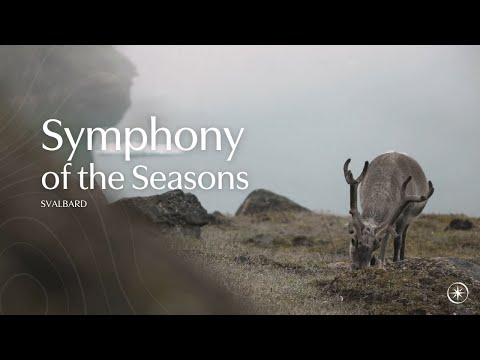
The difference between seasons in Svalbard is night and day, literally.
In the sunny winter (March–mid-may), Svalbard is a frozen fairytale; in the polar summer (mid-May–September), when the midnight sun doesn’t set, its iconic wildlife wakes up; when the sun finally goes down again in the northern lights winter (October–February), the aurora borealis lights up this magical archipelago.

Private charters
Looking to explore the world with friends, family, or colleagues?
Plan a private charter with us.

Explorer's Handbook
Everything you need to know to help you plan your Svalbard expedition, from destination guides to weather insights and what to pack…

Svalbard Micro Guide
Svalbard Micro Guide

21 Animals to See in Svalbard
21 Animals to See in Svalbard

Svalbard Photography Guide
Svalbard Photography Guide

What to Pack for the Arctic
What to Pack for the Arctic

Do I Need a Visa to Enter Svalbard?
Do I Need a Visa to Enter Svalbard?
Svalbard cruise FAQs
When is the best time of year to go on a Svalbard cruise?
The Svalbard cruising season runs from late April to late September or early October, each month offering its own unique charm. Before April, sea ice locks much of the coastline, making many areas inaccessible. After September, daylight hours dwindle as winter begins to set in.
April and Early May
In the early season, Svalbard is blanketed in snow, transforming the archipelago into a pristine, frozen paradise—perfect for landscape photography. The dramatic contrast of ice, snow, and early light creates a dream setting for capturing the Arctic’s raw beauty.
Mid-May to Late June
As 24-hour daylight arrives, the sea ice along Svalbard’s northern coastline begins to recede, allowing cruises to explore further north. The endless daylight not only enhances the experience of the Arctic wilderness but also makes this the prime time for wildlife enthusiasts, with excellent opportunities to spot polar bears, walruses, and bird colonies.
July and August
Summer takes hold in July and August, with the retreat of sea ice enabling most cruises to circumnavigate Spitsbergen, Svalbard’s largest island. This period is perfect for adventurers seeking to explore the archipelago’s full breadth, from its fjords and glaciers to its tundra landscapes and wildlife.
September
As autumn approaches, Svalbard transforms again. The sun dips lower in the sky, creating extended golden hours with stunning, elongated sunrises and sunsets. September is a photographer’s dream, offering dramatic light and a quieter, more serene Arctic experience.
Where do your Svalbard cruises depart from?
All our expedition cruises depart from Longyearbyen, the main settlement on Svalbard. Longyearbyen is easily reached by daily flights from Oslo in Norway, making it one of the easiest destinations to reach in the High Arctic.
What is an Expedition Micro Cruise?
It’s how we see the world.
Genuinely small group sizes at both poles, for the most intimate and transformative experience
Expedition leaders and guides with decades of polar experience and hundreds of expeditions between them
No queueing for Zodiac cruises and shore landings
Itineraries that evolve to maximise opportunities presented by ice, wildlife, and weather.
Comfortable accommodations, where the real luxury is the freedom and time to explore
We call our pioneering way of exploring the Expedition Micro Cruise. It forms the basis of all our adventures, including our photography expeditions and private charters.
Why is an Expedition Micro Cruise the best way to explore Svalbard?
Unlike larger vessels with higher passenger capacities, our voyages are personal and unique in their approach. Travelling with a small group of guests means more time exploring, more flexibility, and less time waiting to board Zodiacs and time ashore.
Our small expedition vessels will get you closer to nature and more immersed in the landscape than larger ships, offering you a more transformative experience with absolutely no crowds or queuing.
How does an Expedition Micro Cruise in Svalbard compare to other Svalbard cruises?
Non-expedition cruises on regular cruise ships don’t offer shore landings and often only visit Longyearbyen, which means they miss out on lots of the adventure. The average cruise ship doing non-expedition cruises takes 2000 passengers.
A number of companies offer Svalbard expedition cruises with landings on larger vessels. The average number of passengers these ships take is over 200. In our opinion, that is too many people to be landing at sensitive places in the Arctic at one time.
Many companies advertise small ship cruises to Svalbard, but their definition of a ‘small ship’ varies and can range from 250 guests down to 12. The difference between travelling with 250 guests and 36 or 12 guests is huge. Our Expedition Micro Cruises to Svalbard are the way they should be: intimate and low-impact.
What wildlife will I see on my Svalbard cruise?
Svalbard is an untamed Arctic wilderness, and on every expedition, we encounter different wildlife. In our opinion, it’s the best place in the High Arctic to see wildlife.
The chances of encountering wildlife are very high, and on previous Svalbard and Spitsbergen cruises, we have seen walruses, Arctic foxes, whales, polar bears, Svalbard reindeer, and a variety of birdlife.
What places will I visit on a cruise to Svalbard?
A big part of the adventure of an expedition cruise to Svalbard is to spend time exploring the wilderness, meaning every expedition is different.
Our route is decided on the day of boarding and is chosen by the expedition leader and the captain, in line with the prevailing weather and ice conditions. Their aim is to ensure that you see the very best that Svalbard has to offer.
On a typical cruise, you can expect daily shore landings to visit sites of historical and natural interest and to undertake short wilderness hikes.
Svalbard has over 2000 glaciers and we aim to visit at least one calving glacier face, which is an incredible, unforgettable sight. On some cruises, if conditions allow, we will attempt to visit the edge of the sea ice.
We visit known wildlife sites, including beaches where walruses haul out, areas where polar bears are frequently sighted, and cliffs where migratory birds breed in their millions.
Will it be cold on my cruise to Svalbard?
Due to the influence of the Gulf Stream on Svalbard’s climate, it is warmer during the summer than most people would imagine. A summer’s day rarely feels colder than the temperatures experienced in Northern Europe during the winter – you may be out hiking in only a base layer.
The temperature varies hugely depending on the month you travel, with the months of July and August offering the warmest temperatures.
Average highs:
April -9°C,
May -3 °C
June +3°C
July +7°C
August +6°C
September +1°C
Is an Expedition Micro Cruise suitable for me?
Our Svalbard expeditions are suitable for the vast majority of people and we aim to make them as accessible as possible.
We ask that our guests have a good level of mobility, as it is a requirement that you can safely step down from the vessel into the landing craft and then exit the landing craft onto land.
Due to the remote areas we visit and the distance from medical assistance, we advise that you have a reasonable level of fitness and are in good health.
During shore landings, we have two guides, which enables us to split the group if we have some keen hikers and some other guests who want to keep things leisurely.
Who joins your Svalbard cruises?
We don’t have any age restrictions on our expeditions and we pride ourselves on having diverse guests from all over the world, united by a passion for exploring.
In the past we have had young professionals eager to explore, through to middle-aged solo travellers looking for their next adventure and retirees looking to see Svalbard in a more in-depth way. Our Svalbard expeditions are friendly and inclusive for all our guests.
Can I join your cruise to Svalbard as a solo traveller?
Yes, you can. Every year we welcome solo travellers on board, where you will find a warm and welcoming atmosphere.
We offer accommodation options for single cabins or sharing a cabin with travellers of the same gender.
How do you ensure Svalbard cruises don’t have a negative effect on the environment?
That’s a great question and one we want to answer honestly.
Our Svalbard cruise vessels don’t burn heavy fuels, which are particularly detrimental to the environment, and run on standard marine diesel.
During our cruises, we follow very strict guidelines as set out by AECO (Association Of Arctic Expedition Cruise Operators) to ensure minimal impact on the wildlife and places we visit. This includes following strict rules about not disturbing wildlife in its natural habitat.
We employ highly experienced expedition leaders to run our expeditions in accordance with the rules and safety code laid out by AECO.
We are proud members of 1% for the Planet, pledging to donate at least 1% of our annual revenue to charitable causes that benefit our world.
In addition, we support the Yachts for Science initiative, regularly taking scientists and researchers on our expedition vessels, giving them the transport and space they need to complete their important work.
We believe that working with local communities is a big part of responsible tourism and hire locally wherever possible.
For more information on our commitment to the planet and what we’re doing to make our expeditions as responsible as possible, head to Our impact.



Phone
USA
USA+CAN Toll Free
AUS Toll Free